Buying a rental in Chester County can look straightforward until you run the numbers and realize how little room there is for a mistake. Home prices are high, inventory is tight, and not every part of the county behaves the same way. If you want a property that attracts renters and holds up as a long-term investment, you need to focus on the right features, the right location, and realistic deal math. Let’s dive in.
Why Chester County Draws Investors
Chester County offers a strong economic backdrop for rental demand. The county’s July 1, 2025 population estimate was 557,116, with median household income at $127,208 and total employment at 262,454 in 2023. It also had 15,102 employer establishments, which supports a broad local job base.
Employment is concentrated in health care, professional services, retail, finance, and education. County workforce planning also points to projected growth in health care, accommodation and food services, professional and technical services, transportation and warehousing, and construction through 2030. As of December 2024, the county’s unemployment rate was 2.4%, and Chester County is described as a net inflow county for workers.
That said, this is not a cheap market to enter. Census QuickFacts reports a median owner-occupied home value of $485,600 and a median gross rent of $1,763. The Chester County Planning Commission reported that the median home sales price hit $525,000 in 2024, the highest in county history.
Understand the County Before You Buy
One of the biggest mistakes investors make is treating Chester County like one single rental market. It is not. DVRPC describes a mix of low-density suburban and exurban areas, newer suburban and rural neighborhoods, rapidly changing boroughs and historic downtowns, and denser town-center areas with older and lower-cost housing.
That matters because rental demand, maintenance risk, and tenant appeal can change quickly from one micro-location to the next. DVRPC also notes that housing factors do not line up neatly with township, borough, or county boundaries. In other words, micro-location matters more than the county name alone.
If you are comparing two homes with similar pricing, the one that makes daily life easier will often have the wider renter pool. In Chester County, that usually means practical access to jobs, roads, transit, shopping, and town centers rather than a property that only looks good on paper.
Prioritize Commute-Friendly Locations
Commuting still shapes rental demand in Chester County. Census data shows an average commute time of 26.9 minutes, and the county workforce plan says most workers drive alone. For many renters, convenience is not a bonus feature. It is part of the core value of the home.
Properties with good road access, practical parking, and straightforward commuting options can stand out. SEPTA’s Paoli/Thorndale Line serves Thorndale, Downingtown, Whitford, Exton, Malvern, and Paoli, and SEPTA notes Amtrak connections at Downingtown, Exton, and Paoli. Homes near these rail-served areas may appeal to renters who want flexibility between driving and train access.
You do not need to buy next to a station for a property to perform well. But you should pay close attention to whether the home reduces friction in everyday life. A shorter or simpler commute can widen your potential tenant pool.
Look for Features Renters Use Every Day
In a higher-price market like Chester County, the best rental home is often the one that feels easy to live in. That usually means a simple, functional layout instead of a highly customized floor plan. In a county that is still largely owner-occupied and commuter-oriented, homes that are easy to show, easy to maintain, and easy to understand tend to be more marketable.
Here are features worth prioritizing:
- Off-street parking
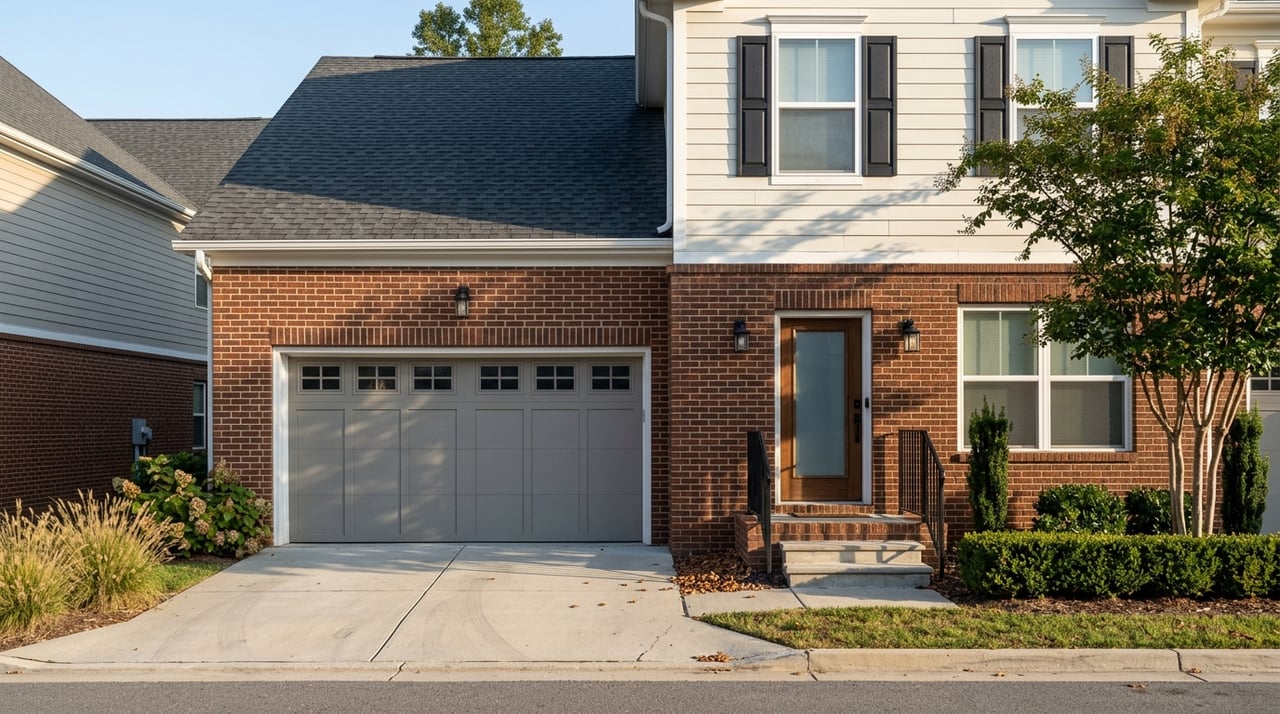
- A usable driveway or garage setup
- Convenient road access
- Manageable yard size
- Practical storage
- A layout with flexible living space
- Room for work from home or a second living area
These are not flashy features, but they matter. In many cases, renters are looking for a home that supports daily routines without extra hassle.
Choose Layout Over Quirks
A unique house can be appealing to an owner-occupant, but it may be harder to lease consistently. Unusual additions, awkward room flow, or overly personalized updates can narrow your audience. A clean, straightforward layout tends to work better for long-term rental appeal.
That does not mean every property needs to be bland. It means the home should be intuitive. If renters can quickly picture how they would live there, you are already in a stronger position.
Value Low-Maintenance Features
Maintenance risk can quietly eat into returns. DVRPC’s submarket data shows a clear contrast between older borough and town-center housing and newer suburban or rural housing with higher incomes, home prices, and rents. That makes it important to decide early whether you want a more turnkey property or one that may require heavier renovation and ongoing upkeep.
Older homes can work, but you should go in with open eyes. Deferred maintenance, aging systems, and recurring repair needs can turn a promising rent number into a frustrating ownership experience. In a market where purchase prices are already high, maintenance surprises hurt more.
Run Conservative Deal Math
A property is not a good investment just because rent sounds strong. Using Census medians, Chester County’s rough gross rent-to-price benchmark is about 4.4% based on $1,763 in median gross rent and a $485,600 median owner-occupied home value. That is only a directional comparison, but it shows why careful underwriting matters here.
You should expect less room for error than in a lower-cost market. DVRPC reported that in 2022, households needed about $65,000 to afford the median-cost rental home, nearly 45% of renters were cost-burdened, and the county’s home value-to-income ratio was 5.2, above the report’s generally healthy 2.5 to 3.5 range. That suggests real rental demand, but also pressure on affordability and tighter margins for investors.
When you review a potential purchase, model more than the mortgage. At a minimum, include:
- Property taxes
- Insurance
- HOA or condo dues, if applicable
- Routine maintenance
- Repairs
- Vacancy
- Leasing costs
- Property management, if applicable
- Turnover and capital expense reserves
A home can look profitable at first glance and still underperform once those costs are added. In Chester County, conservative math is not pessimistic. It is smart investing.
Plan for a Longer Hold Period
This is generally not the kind of market where you should expect an easy, immediate cash-flow win. The Chester County Planning Commission’s 2024 housing summary shows that inventory remained tight, even with sales rising from 2023 to 2024. It also reported that only 34% of homes sold were below the approximate price point affordable to a household earning 100% of Area Median Income.
That combination of high prices and limited inventory can support long-term value, but it can make short-term returns less forgiving. A multi-year hold period is usually the more realistic mindset. If your strategy depends on perfect rent growth, minimal repairs, and zero vacancy, the property may be too thin to begin with.
Verify Local Rules Before Closing
Before you buy, confirm that the property fits your exact business plan. DVRPC notes that local governments set the rules that determine where, what types, and how much housing can be built. That means township or borough requirements can directly affect your intended use, renovation plans, or occupancy setup.
This step is especially important if you are considering changes after closing. Even a strong location will not save a deal that does not align with local requirements. Verify first, then commit.
Know the Pennsylvania Basics
Pennsylvania landlord-tenant rules also affect your numbers and your operating plan. According to the Pennsylvania Office of Attorney General, a security deposit cannot exceed two months’ rent in the first lease year and cannot exceed one month’s rent at the beginning of the second year. Tenants who stay two or more years are entitled to interest on the deposit beginning in the 25th month.
The same state consumer guide explains that every lease includes an implied warranty of habitability. In simple terms, serious defects affecting safety or livability must be fixed. That is another reason to avoid stretching your budget on a property that may need more work than you can comfortably support.
Fair housing compliance matters too. The Pennsylvania Human Relations Commission says housing discrimination is illegal in renting, buying, selling, and lending, and it lists protected characteristics including race, color, sex, religion, national origin, ancestry, familial status, and disability. Consistent screening criteria and lease enforcement are essential.
What a Strong Chester County Rental Looks Like
If you want to simplify your search, focus on a property with broad appeal. In this market, that often means a home in a practical micro-location with commuter convenience, solid parking, manageable maintenance needs, and a layout that fits everyday life. It may not be the most dramatic house on the block, but it can be the kind of property renters understand and value right away.
A strong rental purchase in Chester County is usually less about chasing a perfect headline number and more about reducing risk. The best deals tend to balance location, functionality, and realistic long-term performance. If you can stay disciplined on those three points, you put yourself in a much better position.
If you are weighing an investment purchase in Chester County and want a clear, practical read on the options, Next Move Delaware Valley can help you think through location, property fit, and the numbers with less stress.
FAQs
What should you look for in a Chester County rental home?
- Focus on micro-location, commute convenience, parking, a functional layout, manageable maintenance, and realistic long-term numbers.
Is Chester County a good place to buy rental property?
- Chester County has strong income levels, a broad employment base, low unemployment, and tight housing supply, but high home prices mean you need conservative deal math.
Which Chester County areas may attract more renters?
- Areas near town centers, major job corridors, and SEPTA Paoli/Thorndale Line stops such as Thorndale, Downingtown, Whitford, Exton, Malvern, and Paoli may appeal to renters who value convenience.
Why does micro-location matter in Chester County rentals?
- DVRPC notes that housing conditions and demand patterns do not neatly follow county or municipal lines, so one block or neighborhood can perform differently from another nearby area.
How should you estimate rental returns in Chester County?
- Include mortgage, taxes, insurance, HOA dues if applicable, maintenance, repairs, vacancy, leasing, management, and turnover reserves instead of relying on rent alone.
What Pennsylvania rental rules should investors know?
- Pennsylvania limits security deposits to two months’ rent in the first lease year and one month’s rent at the beginning of the second year, and landlords must maintain habitable conditions.
Should you buy a fixer-upper rental in Chester County?
- It depends on your budget and risk tolerance, but in a high-price market, properties with heavier renovation or upkeep needs can leave less room for error.