
The real estate market in 2026 looks very different than it did just a few years ago.
We’re no longer in an extreme seller’s market where homes sell instantly regardless of condition. But we’re also not in a buyer’s market where sellers lose leverage. Instead, we’re in what many experts call a balanced market—especially across the Delaware Valley.
And in a balanced market, preparation is everything.
Homes that are properly prepared, priced, and positioned still sell quickly and for top dollar. Homes that skip key steps often sit—and sell for less.
This pre-listing checklist will walk you through exactly what to do before you list so you can maximize value and avoid costly mistakes.
Why Pre-Listing Preparation Matters More in 2026
In a balanced market:
- Buyers are more selective
- Inspections are back
- Pricing mistakes are punished quickly
- First impressions matter more than ever
Today’s buyers compare your home against every other option online before they ever step inside. The goal of pre-listing prep is to make your home the clear winner.
Step 1: Start With the Right Pricing Strategy (Not the Highest One)
One of the biggest misconceptions sellers still have is:
“Let’s price high and see what happens.”
In a balanced market, that approach usually backfires.
What Smart Pricing Does:
- Attracts serious buyers early
- Creates urgency in the first 7–10 days
- Reduces the need for price reductions
- Protects your negotiating leverage
Pricing should be based on:
- Recent comparable sales (not active listings)
- Current buyer demand
- Condition and location of your home
The goal isn’t to test the market—it’s to win it.
Step 2: Handle Repairs That Buyers Actually Care About
You don’t need to renovate your entire home—but you do need to remove red flags.
High-Impact Repairs to Address Before Listing:
- Leaky faucets or visible plumbing issues
- HVAC servicing and filter replacement
- Roof concerns or missing shingles
- Electrical issues or outdated fixtures
- Doors, windows, or railings that don’t function properly
These items often come up during inspections. Fixing them ahead of time:
- Builds buyer confidence
- Reduces inspection negotiations
- Signals that the home has been well cared for
Step 3: Declutter Ruthlessly (This Is Not Optional)
In 2026, buyers expect space—even if the home isn’t huge.
Before listing:
- Remove excess furniture
- Clear countertops and shelves
- Minimize personal items and photos
- Organize closets and storage areas
Decluttering helps buyers:
- Visualize themselves in the home
- Understand the true size of rooms
- Focus on features, not distractions
Remember: You’re not living there anymore—you’re marketing it.
Step 4: Paint & Cosmetic Updates That Deliver ROI
You don’t need luxury finishes—but you do need neutral appeal.
Smart Cosmetic Updates:
- Fresh paint in light, neutral tones
- Touch-ups on trim and doors
- Updated light fixtures where dated
- New hardware on cabinets or doors
These updates are relatively inexpensive but often deliver one of the highest returns on investment.
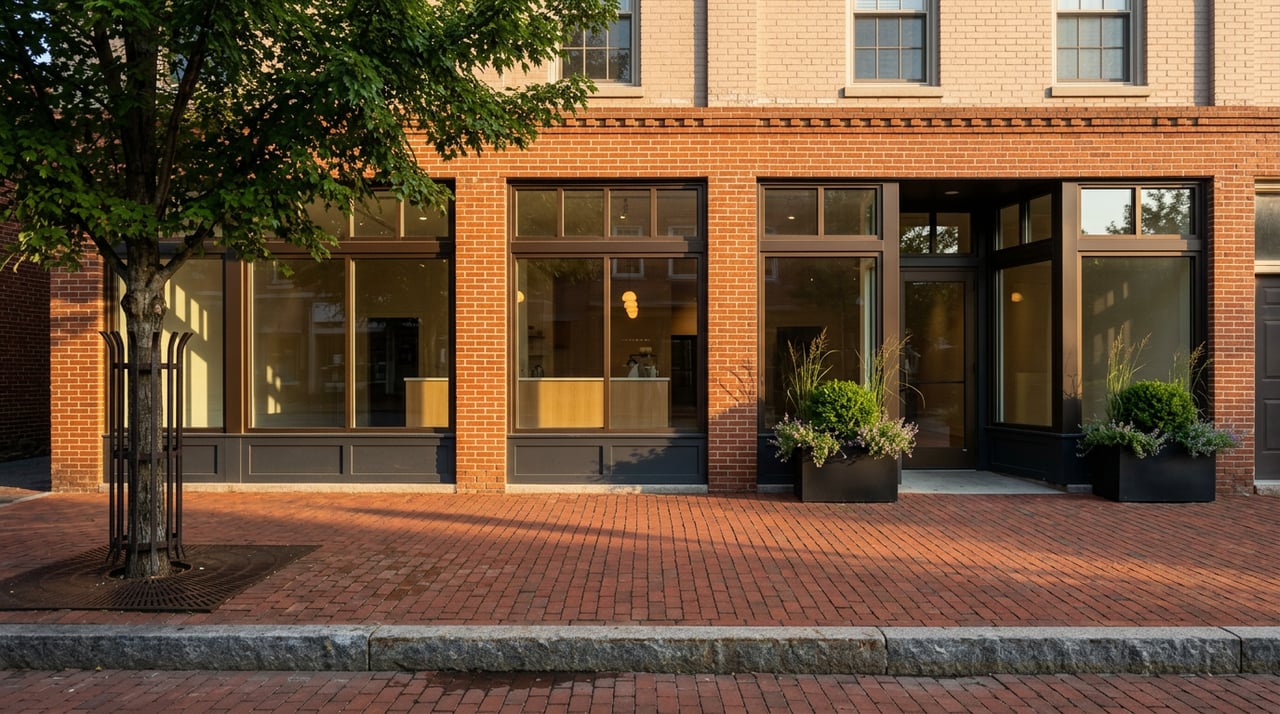
Step 5: Boost Curb Appeal (Buyers Decide Before They Enter)
First impressions happen in seconds—and often from the street or online photos.
Simple Curb Appeal Wins:
- Fresh mulch and trimmed landscaping
- Power-washed siding, walkways, and driveways
- Clean windows and front door
- Updated house numbers or exterior lighting
In a balanced market, curb appeal can be the difference between:
- A showing request
- Or a buyer scrolling past your listing
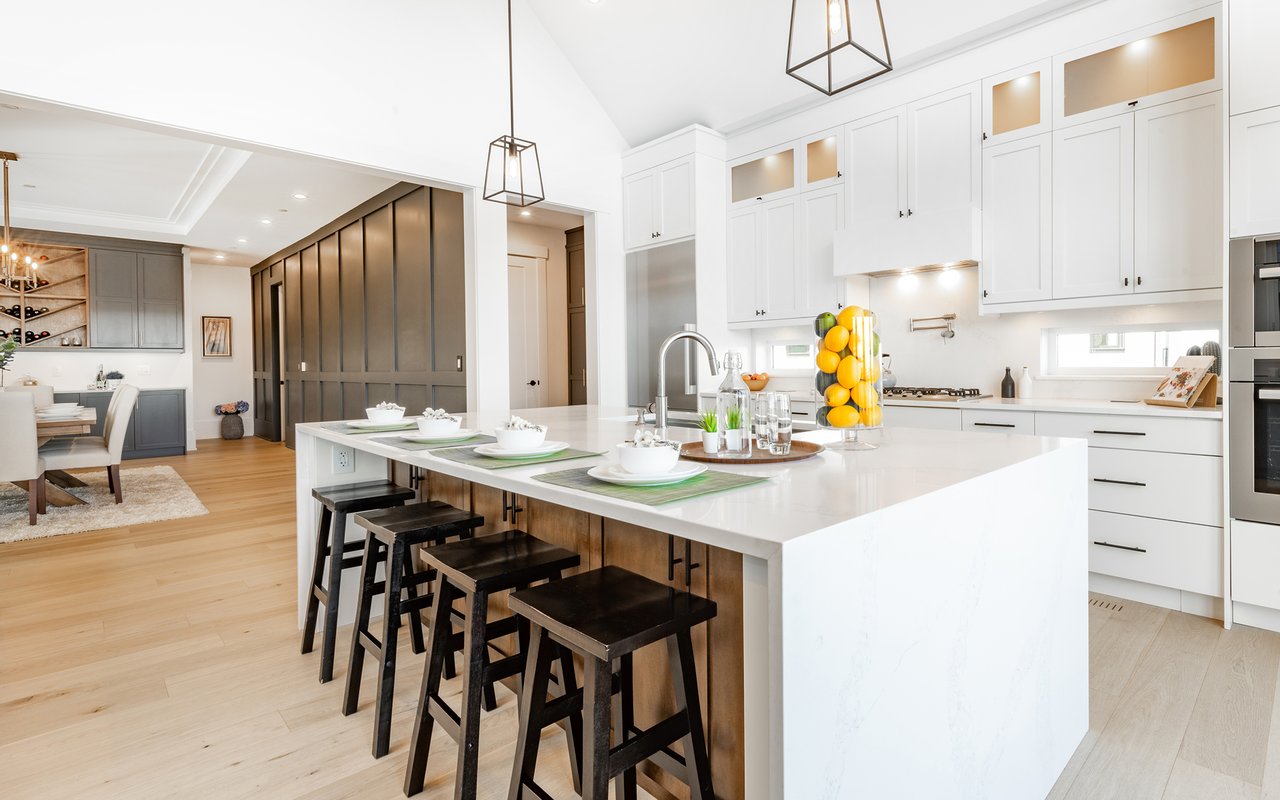
Step 6: Stage Strategically (Even If You Don’t Fully Stage)
Staging doesn’t always mean hiring a full staging company.
At minimum:
- Arrange furniture to maximize space
- Remove bulky or unnecessary pieces
- Highlight focal points like fireplaces or views
- Create a clean, cohesive flow room to room
Staged homes consistently:
- Photograph better
- Show better
- Sell faster
- Command stronger offers
Step 7: Professional Photography Is Non-Negotiable
In 2026, your online presence is your first showing.
Professional photography:
- Increases online engagement
- Drives more showings
- Creates emotional connection
- Positions your home as a premium listing
Poor photos can cost you thousands—regardless of how nice the home is in person.
Step 8: Prepare for Inspections Before Buyers Do
Pre-listing preparation doesn’t stop at cosmetics.
Consider:
- Servicing HVAC systems
- Cleaning gutters
- Addressing known issues proactively
- Gathering receipts and maintenance records
When buyers see a home that’s clearly been maintained, they negotiate less aggressively.
Step 9: Have a Negotiation Plan Before You List
Balanced markets reward sellers who are prepared—not reactive.
Before listing, decide:
- What repairs you’re willing to make
- How you’ll handle inspection requests
- Your comfort with credits vs. repairs
- Your ideal and acceptable timelines
A clear plan keeps emotions out of negotiations and protects your bottom line.
Step 10: Timing & Launch Strategy Matter
The first week your home hits the market is critical.
A strong launch includes:
- Accurate pricing
- Full preparation completed before listing
- Professional marketing from day one
- Clear showing availability
Homes that launch well often sell before buyers start negotiating aggressively.
Common Seller Mistakes in a Balanced Market
Avoid these pitfalls:
- Overpricing “just to try”
- Skipping prep because “buyers can fix it”
- Ignoring early feedback
- Waiting too long to make adjustments
In 2026, the market gives clear signals—smart sellers listen early.
Final Thoughts: Preparation = Leverage
In a balanced market, the best-prepared homes win.
This pre-listing checklist isn’t about perfection—it’s about positioning. When your home is priced correctly, looks great online, and shows well in person, buyers compete—even when inventory is higher.
Preparation creates leverage. Leverage creates top dollar.