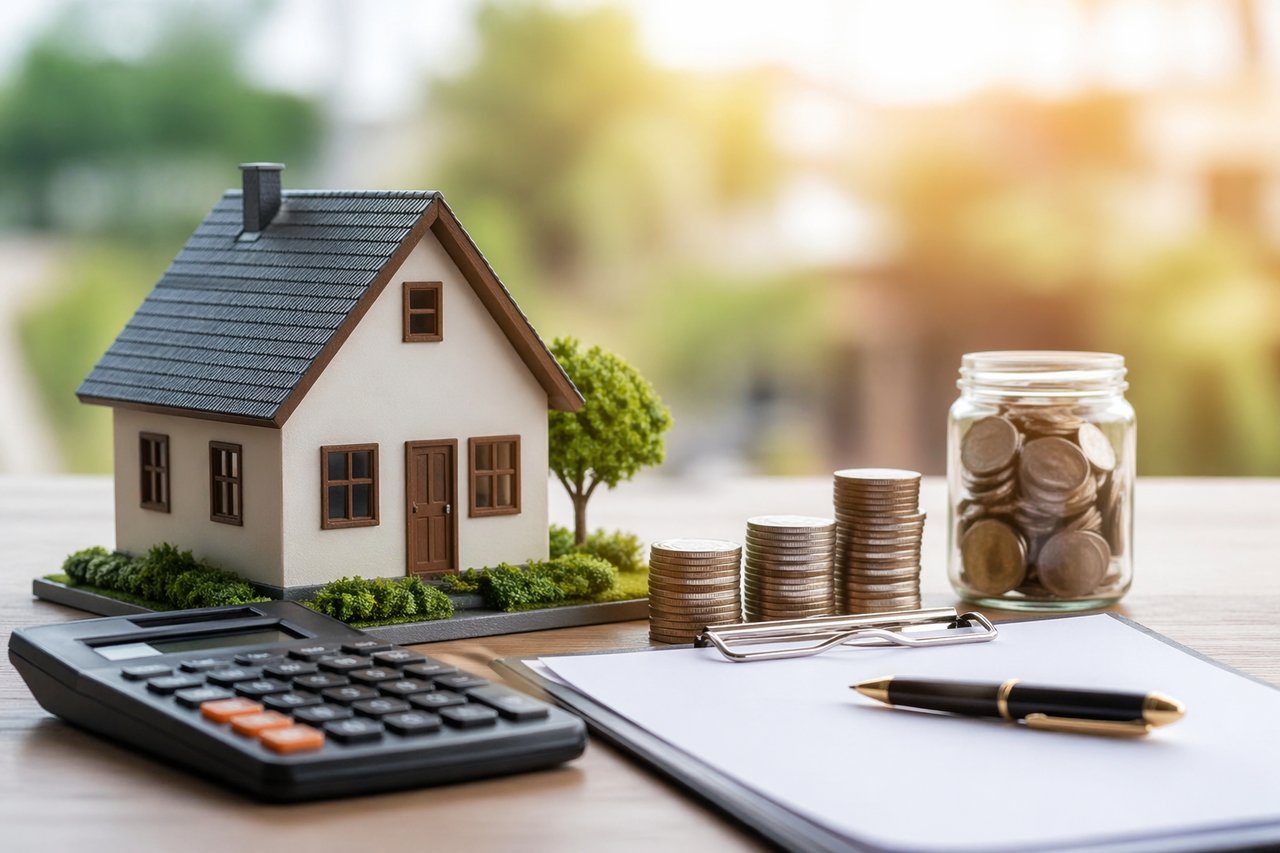
It’s Not Just the Purchase Price
When most buyers begin their home search, they focus on one number:
👉 The purchase price.
It’s the number they see online, the number they talk about with friends and family, and the number they use to determine what they can afford.
But here’s the reality that surprises many buyers—especially in today’s 2026 Delaware Valley real estate market:
👉 The purchase price is only one piece of the total financial picture.
Buying a home involves multiple layers of costs—some expected, others often overlooked—that can significantly impact your budget, your monthly payment, and your overall experience.
The buyers who feel confident and in control are the ones who understand these costs upfront.
The ones who don’t?
They often feel surprised, stretched, or even overwhelmed after closing.
Let’s break down the hidden costs of buying a home so you can prepare the right way.
💰 1. Closing Costs: The Largest Upfront Expense Beyond Your Down Payment
One of the biggest surprises for buyers is how much they need to bring to the table in addition to their down payment.
These are known as closing costs, and they are required to finalize your home purchase.
📊 What Do Closing Costs Typically Look Like?
In most cases, buyers can expect closing costs to fall between:
👉 2% to 5% of the purchase price
So if you’re purchasing a home for $400,000, you could be looking at:
👉 $8,000 to $20,000 in closing costs alone.
🧾 What Makes Up Closing Costs?
Closing costs aren’t just one fee—they’re a collection of multiple expenses, including:
- Loan origination and lender fees
- Title insurance and title search
- Appraisal fees
- Settlement or attorney fees
- Transfer taxes (which vary significantly between PA, DE, and MD)
- Prepaid property taxes
- Homeowners insurance premiums
💡 Many buyers underestimate this number, which can impact how much cash they need to close comfortably.
Planning for this early is key to avoiding surprises later.
🔍 2. Inspections: The Cost of Protecting Your Investment
Once your offer is accepted, the next major step is the home inspection.
This is one of the most important parts of the buying process—it gives you a clear understanding of the property’s condition before you finalize your purchase.
💵 Typical Inspection Costs
Depending on the home and location, inspections may include:
- General home inspection: $400–$700
- Radon testing (common in Pennsylvania): $100–$200
- Termite inspection: $75–$150
- Sewer scope (especially in older homes): $250–$400
⚠️ What Most Buyers Don’t Budget For: Repairs
The inspection fee itself is relatively small compared to what it can uncover.
Even well-maintained homes may have issues such as:
- Aging HVAC systems
- Roof wear and tear
- Plumbing or electrical updates
- Moisture or drainage concerns
This can lead to:
- Negotiating repairs with the seller
- Requesting credits
- Or planning for future repairs after closing
💡 Smart buyers don’t just budget for the inspection—they budget for what the inspection might reveal.
🏦 3. Property Taxes: The Hidden Driver of Your Monthly Payment
When buyers calculate their monthly payment, many focus on:
👉 Mortgage + Interest
But your true monthly payment also includes:
👉 Property taxes and homeowners insurance
And depending on where you buy in the Delaware Valley, property taxes can vary significantly.
📍 Local Differences Matter
For example:
- Chester County, PA → Typically higher property taxes
- Delaware County, PA → Moderate tax rates
- New Castle County, DE → Lower overall taxes
- Cecil County, MD → Often more affordable
📊 Why This Is So Important
Two homes priced exactly the same can have very different monthly payments simply because of taxes.
That’s why understanding:
✔️ The tax rate
✔️ Annual tax amount
✔️ How it affects your monthly payment
…is critical before making a decision.
💡 This is one of the biggest factors that can impact long-term affordability.
🛠️ 4. Maintenance & Ongoing Ownership Costs
One of the biggest mindset shifts when buying a home is this:
👉 You are now responsible for everything.
There’s no landlord to call. No maintenance team to fix things.
That responsibility comes with ongoing costs.
📊 A Simple Rule of Thumb
A common guideline is to budget:
👉 1%–2% of your home’s value annually for maintenance
On a $400,000 home, that’s:
- $4,000 to $8,000 per year
🧰 What Does That Cover?
- HVAC servicing or replacement
- Roof maintenance
- Appliance repairs
- Plumbing or electrical issues
- Landscaping and seasonal upkeep
Some years may be minimal. Others may include larger expenses.
💡 Having a maintenance fund gives you peace of mind and protects your investment.
📦 5. Moving Costs: The Expense Buyers Forget Until the Last Minute
Once you’ve made it through inspections and closing, there’s one more major step:
👉 Moving into your new home.
And while it might seem straightforward, moving costs can add up quickly.
🚚 Typical Moving Expenses
- Professional movers: $500–$2,500+
- Truck rental (if DIY): $100–$300
- Packing materials and supplies
- Storage (if needed during transition)
🏡 Additional Setup Costs
The first few weeks in your new home often come with additional expenses:
- Furniture purchases
- Window treatments or blinds
- Paint or minor upgrades
- Utility deposits and setup fees
💡 Many buyers say the first 30 days after closing are the most expensive part of the process.
🧾 6. Insurance & Utilities: The Ongoing Monthly Costs
Before closing, you’ll need to secure homeowners insurance, which protects your property and is required by your lender.
🏠 Insurance Costs Vary Based On:
- Location
- Home size and condition
- Coverage levels
- Deductibles
⚡ Utilities to Budget For
As a homeowner, you’ll also be responsible for:
- Electric
- Gas
- Water and sewer
- Trash services
- Internet and cable
These costs may differ significantly from what you paid as a renter, especially if you’re moving into a larger home.
🧠 7. The Emotional & Financial Impact of Being Unprepared
There’s one more “hidden cost” that doesn’t show up on paper—but it matters just as much:
👉 The stress of being unprepared.
Buyers who don’t fully understand these expenses may:
- Stretch their budget too thin
- Feel overwhelmed after closing
- Regret certain decisions
On the other hand, buyers who plan ahead:
✔️ Feel confident
✔️ Make better decisions
✔️ Enjoy the process more
💡 Knowledge isn’t just power—it’s peace of mind.
✅ How to Prepare Like a Smart Buyer in 2026
The goal isn’t to overwhelm you—it’s to prepare you.
Because when you understand the true cost of buying a home, you can approach the process strategically.
📝 Before You Start Your Search, Plan For:
- Your purchase price range
- Estimated closing costs
- Inspection and repair budget
- Maintenance reserve fund
- Moving and setup expenses
👉 This is how you buy with confidence—not guesswork.
🏆 The Bottom Line
Buying a home is one of the most exciting milestones you’ll experience.
But it’s also one of the most important financial decisions you’ll make.
And while the purchase price gets all the attention…
👉 It’s the hidden costs that truly define your experience.
When you prepare for:
- Closing costs
- Inspections
- Taxes
- Maintenance
- Moving expenses
You position yourself for:
✔️ A smoother transaction
✔️ A stronger financial foundation
✔️ Long-term success as a homeowner
🤝 Connect with Your Local Real Estate Expert
Ready to make your Next Move in Pennsylvania, Delaware, or Maryland? When you work with us, you gain access to local expertise backed by a nationwide network of real estate partners.
Jim Arcidiacono, REALTOR®
Next Move Delaware Valley
Licensed in PA, DE, & MD
Call/Text: (302) 983-4640
Email: [email protected]
Website: https://www.delawarevalleyrealestate.com
Need to Get Started Now? Access Your Free Resource Hub!
➡️ https://stan.store/NextMoveJim