If you are torn between the energy of downtown West Chester and the extra space of the surrounding suburbs, you are not alone. This is one of the biggest decisions buyers make in the greater West Chester area, especially when your budget, commute, and daily routine all point in slightly different directions. The good news is that the local housing options are distinct enough to help you narrow your choice once you know what matters most to you. Let’s dive in.
West Chester living starts with density
West Chester Borough offers a very different living experience from the nearby townships. It is a compact municipality of just 1.85 square miles, with an estimated 19,591 residents in July 2025 and more than 10,114 people per square mile.
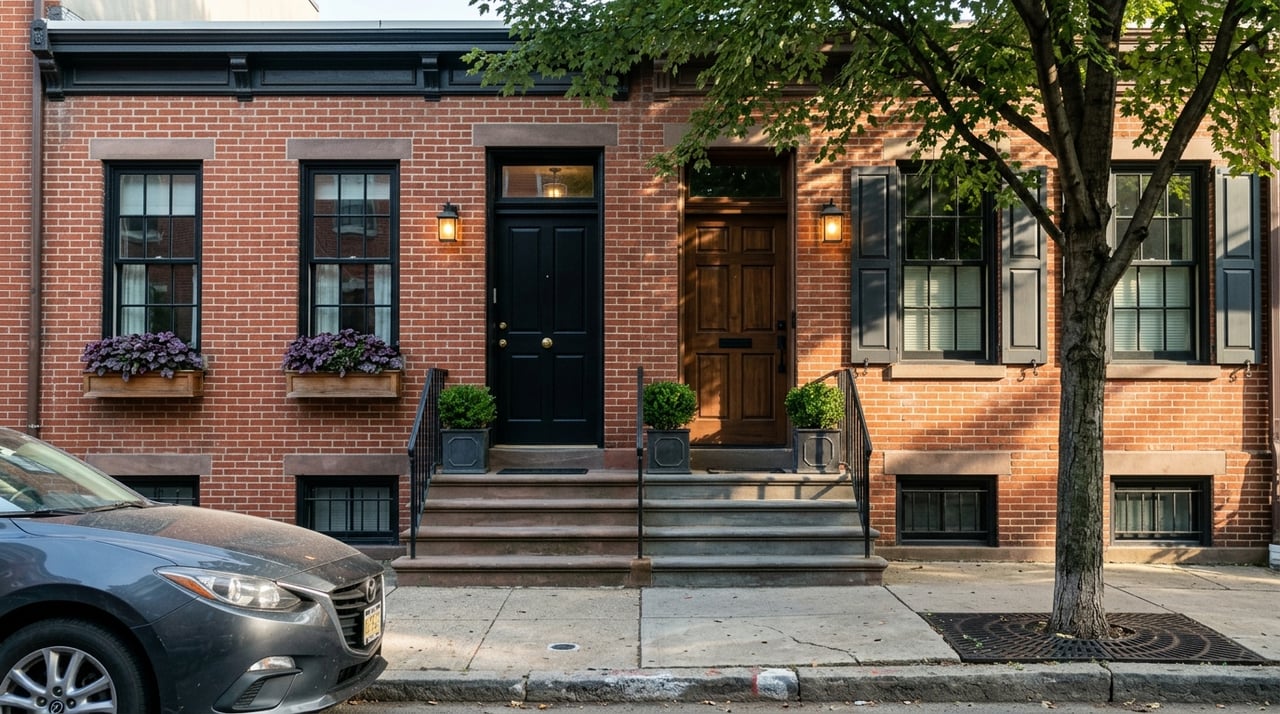
That density shapes everyday life. You are more likely to find a mix of apartments, in-town homes, and housing close to restaurants, services, and civic spaces. If you want a place where daily errands and downtown destinations are closer together, the borough stands out.
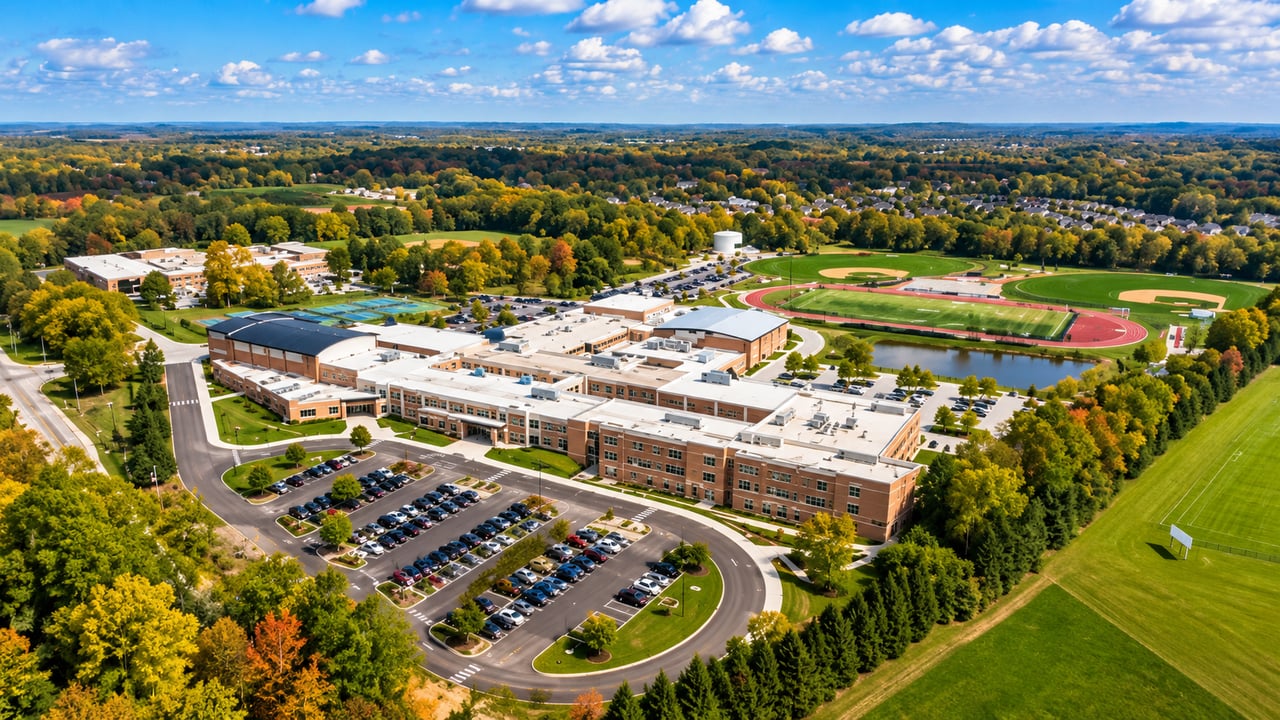
By comparison, nearby townships are far less dense. West Goshen has about 1,943.5 people per square mile, East Goshen about 1,831.7, and West Whiteland about 1,529.6. That lower density usually translates to more separation between homes, more residential-only areas, and a different pace of life.
Borough housing has a different mix
One of the clearest differences is the housing profile. West Chester Borough is much more renter-heavy, with 6,733 occupied housing units and a split of 35.5% owner-occupied and 64.5% renter-occupied.
That matters because it reflects the kind of housing you will see on the ground. The borough has a substantial apartment and rooming-unit base across downtown and mixed-use areas, which supports a denser, more in-town housing mix.
The surrounding townships lean much more toward owner-occupied housing. West Goshen is 72.2% owner-occupied, East Goshen is 71.6%, West Whiteland is 63.1%, and East Bradford is 88.2%.
For many buyers, this is the first big fork in the road. If you picture a traditional suburban ownership pattern with more detached homes, the townships may feel more familiar. If you are open to a broader range of housing types and a more urban-style setup, the borough may fit better.
Lot size changes the lifestyle
The choice is not only about price or square footage. It is also about how much private outdoor space you want and how close you want to be to neighbors.
Planning materials in East Goshen show an R-3 district minimum lot area of 18,000 square feet. East Bradford zoning update materials reference a one-acre minimum lot area in R-3 and a five-acre minimum tract size for mixed-use.
These are not market averages for every home, but they help show how quickly the landscape shifts outside the borough. In practical terms, the suburban edge around West Chester can move from compact in-town lots to larger yards and more distance between homes.
If your ideal home includes more yard space, more privacy, or a classic detached-home feel, nearby townships may offer a better match. If you prefer less exterior upkeep and stronger proximity to downtown amenities, borough living may feel more efficient.
Walkability is strongest in the borough
West Chester Borough is built around a compact downtown and mixed-use core. Borough planning documents describe downtown as the central business district, with government services, professional and financial services, retail, and restaurants.
The borough’s revitalization planning also calls for a pedestrian zone downtown. That supports what many buyers are looking for when they say they want walkability: a place where restaurants, services, and local errands are clustered more closely together.
The Business Improvement District also exists to increase downtown customer traffic and retain or attract businesses. For you as a buyer, that points to an area designed around activity, convenience, and a strong town-center experience.
This does not mean every home in the borough is steps from every destination. It does mean the borough is the clearest fit if you want an amenity-rich, in-town lifestyle centered on downtown access.
Nearby suburbs offer a different daily rhythm
The townships around West Chester can still be convenient, but the convenience usually looks different. Rather than a compact downtown-centered pattern, you are more likely to see a drive-based layout with residential areas separated from shopping and business corridors.
East Goshen describes itself as a predominantly residential suburban community shaped in part by its historic rural landscape. That gives you a sense of the setting many buyers are drawn to: quieter residential areas, lower density, and a more spread-out feel.
West Whiteland offers another variation. The township says growth is being directed toward commercial corridors and a more walkable Exton Crossroads, which gives it a more corridor- and commute-oriented character than borough living.
So when people compare “West Chester” options, it helps to remember that the suburban choices are not all the same. Some feel more traditional and residential, while others are more tied to major routes and regional access.
Parking is a real quality-of-life factor
Parking can be one of the biggest day-to-day differences between borough and township living. In West Chester Borough, parking is actively managed through two garages, several flat lots, metered on-street parking, a three-hour on-street time limit, and a residential permit parking program tied to license plates.
The borough also uses street-sweeping restrictions, including nightly sweeping in the central business district. For some buyers, that is a fair trade for being close to downtown. For others, it can feel like one more thing to manage.
This is why parking should be part of your home search from the beginning, not an afterthought. If you want a low-maintenance, car-light routine and are comfortable with permits and parking rules, the borough may work well. If you want easier parking for multiple vehicles, a driveway, or more garage options, nearby townships may be a better fit.
Commuting depends on how you travel
Transit in West Chester Borough is bus-based. West Chester University notes that SEPTA Route 104 runs along High Street and to the university, Route 92 serves Exton, Malvern, and King of Prussia from the West Chester Transportation Center, and Route 135 goes to Coatesville.
That makes borough living a practical option for some buyers who use local bus service. At the same time, it is important to understand that this is not the same as living next to rail.
The surrounding townships offer broader commute options overall, but they remain more car-oriented. West Goshen planning materials reference SEPTA Routes 92 and 104, Krapf Bus Route A, and a park-and-ride lot at US 202 and Paoli Pike. East Goshen also notes limited public transportation through SEPTA Routes 104 and 92.
West Whiteland adds a stronger regional-access angle. The township says it is served by SEPTA and Krapf bus service, SEPTA and Amtrak rail access, and county-wide paratransit.
If commute flexibility and access to major corridors matter most, West Whiteland may deserve a closer look. If short local trips and downtown access matter more, the borough may make more sense.
How to choose the right fit
If you are deciding between borough living and the nearby suburbs, it helps to focus less on labels and more on your real routine. The best choice is the one that supports how you want to live every day.
Here is a simple way to frame it:
- Choose West Chester Borough if walkability, downtown access, and a denser housing mix matter most.
- Choose West Goshen, East Goshen, or East Bradford if you want a more traditional suburban profile with higher owner-occupancy and lower density than the borough.
- Choose West Whiteland if commute flexibility and corridor access are top priorities.
- Focus on lot size and parking early if private outdoor space or multiple vehicles are important to you.
A smart home search in this area starts with your lifestyle priorities. Once you know whether you value walkability, parking ease, yard space, or commute access most, the map becomes much easier to read.
Whether you are relocating, moving up, or trying to balance daily convenience with long-term goals, the right strategy starts with clear local context. If you want help narrowing down the best fit around West Chester, Next Move Delaware Valley can help you compare options and move forward with confidence.
FAQs
What is the main difference between West Chester Borough and nearby suburbs?
- West Chester Borough is denser, more walkable, and more renter-heavy, while nearby townships are generally lower density, more owner-occupied, and more detached-home oriented.
Is West Chester Borough a good fit if you want walkability?
- Yes. Borough planning documents describe a compact downtown and mixed-use core with restaurants, services, retail, and civic uses clustered together.
How does parking work in West Chester Borough?
- The borough uses garages, lots, metered street parking, a three-hour on-street limit, residential permit parking, and street-sweeping restrictions in some areas.
Which areas near West Chester offer a more suburban feel?
- West Goshen, East Goshen, and East Bradford all reflect a more traditional suburban profile with lower density and higher owner-occupancy than the borough.
Is West Whiteland different from other West Chester-area suburbs?
- Yes. West Whiteland stands out for corridor access and commute flexibility, with major-route orientation plus bus and rail access noted in township materials.
Does West Chester Borough have rail transit?
- The borough’s transit access is supported by bus routes, including SEPTA Routes 92, 104, and 135. The research supports bus-based transit, not rail-based borough living.
What should buyers prioritize when choosing between borough and suburban homes near West Chester?
- Start with your daily lifestyle needs, especially walkability, parking, private outdoor space, and commute patterns.